The complete formula matters
An ingredient list tells a different story from the front of a package. A product name may highlight one botanical or a particular sensory idea, while the full formula contains the ingredients needed to make the product work in its intended form. Reading the whole label helps you avoid judging a cleanser by one appealing word or photograph. For readers considering everee, the full declaration for the exact item provides a better basis for a decision than a highlighted ingredient alone.
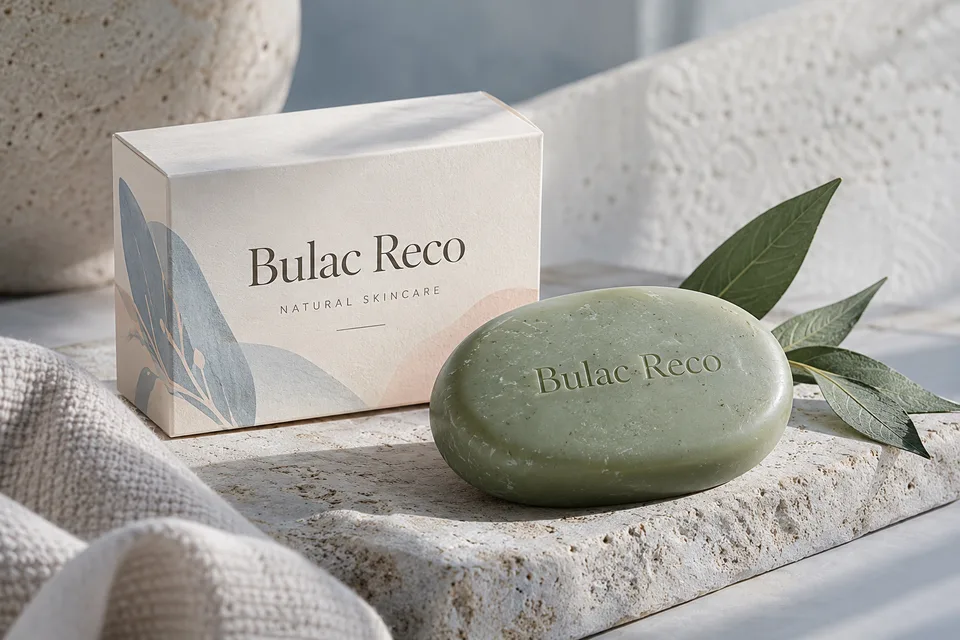
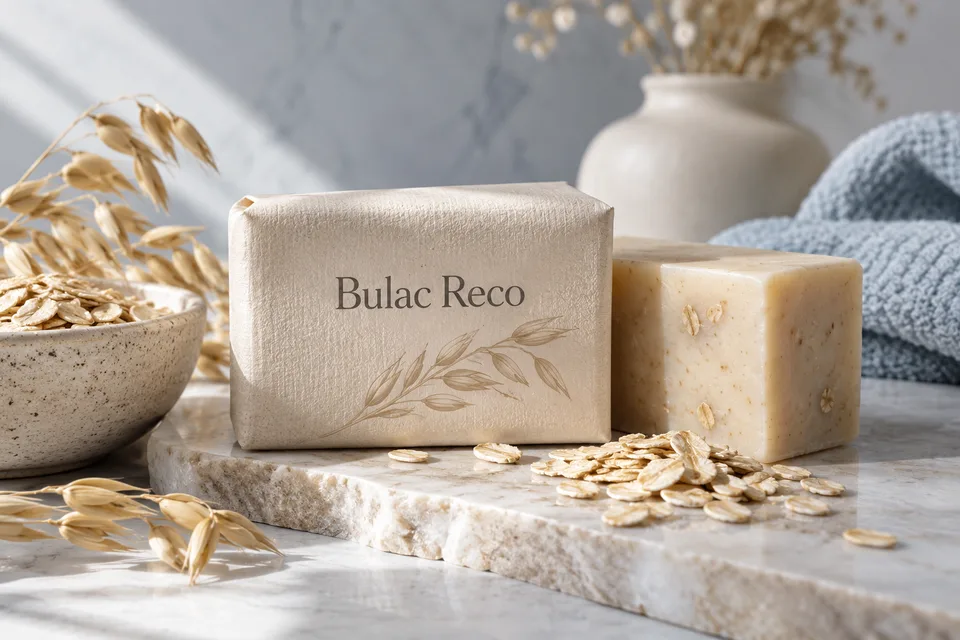
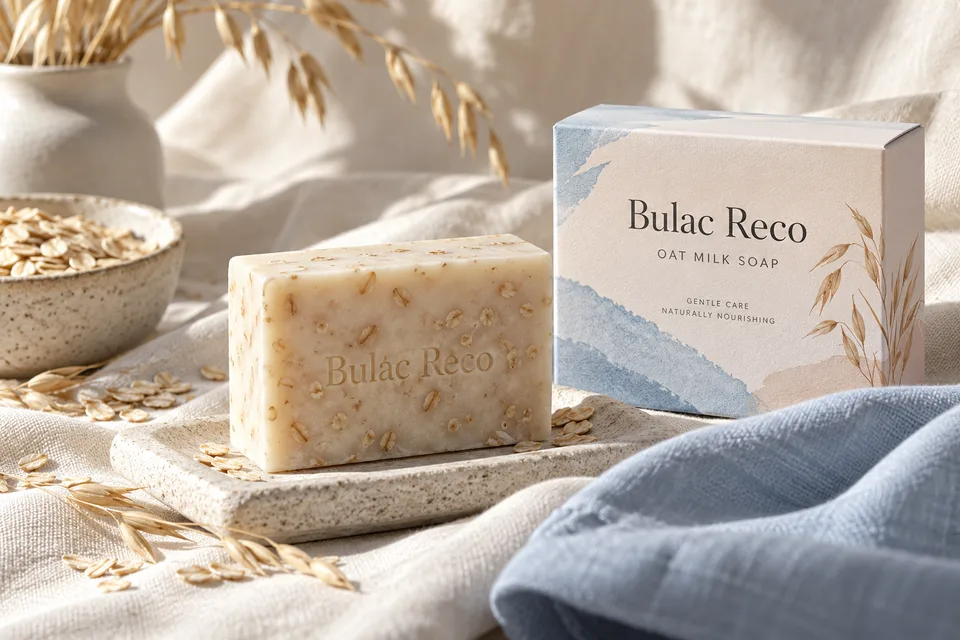
No single ingredient can explain how every person will experience a product. The combination, intended use, and directions matter. If you have a known sensitivity, ask for the current list for the exact item you plan to buy. The appearance of oats, flowers, or citrus in a photograph is not evidence that the formula contains those materials.
Soap and other cleansing ingredients
Traditional soap is made through a reaction involving fats or oils and an alkali. Other cleansers use different surfactant systems. Surfactants help washing by allowing water to interact with oils and soil so they can be rinsed away. Different product formats may use different combinations, and their names do not always tell you which system is present. The wording everee soap does not by itself identify a cleansing system, so check the actual label before deciding how an item fits this distinction.
A bar is not necessarily traditional soap, and a liquid wash is not necessarily a particular kind of cleanser. Read the label and intended use instead of inferring the formula from shape. Whether a product feels comfortable depends on more than one ingredient category. Broad claims that every bar is harsh or every liquid wash is gentle overlook the variety of available formulas.
Why oils appear in descriptions
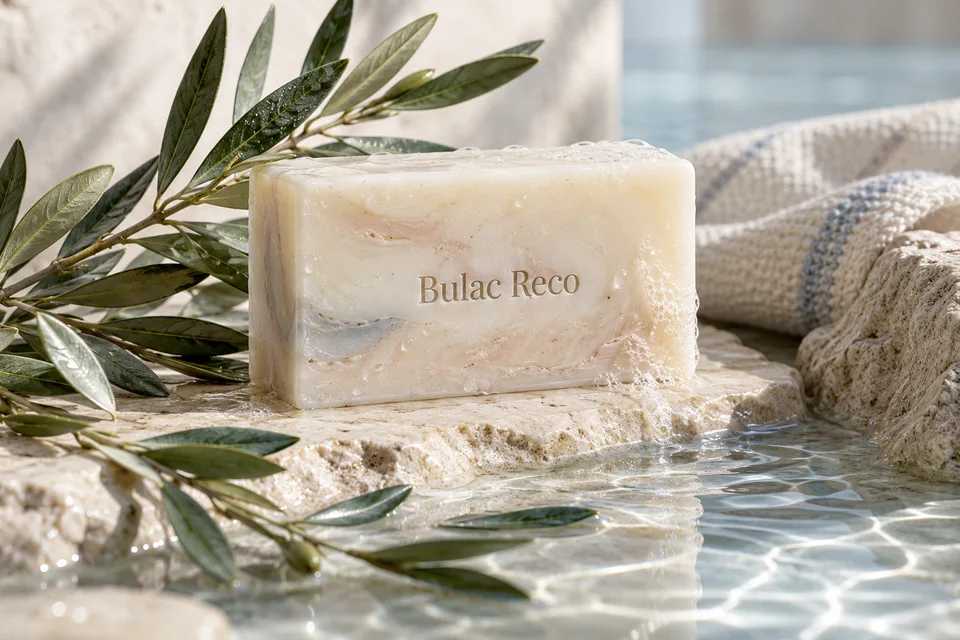
Oils can be part of a soapmaking process or have other roles in a formulation. However, the presence of an oil name on a product page does not establish its amount, how it was used, or what remains in the finished product. Marketing descriptions often simplify a more complex process, so they should be read alongside the actual ingredient list. Alongside everee sp, judge botanical imagery as presentation unless current product information establishes the ingredients.
If the source of an ingredient matters to you, ask a specific question and request supporting product information. Do not assume a botanical image confirms sourcing, certification, production location, or environmental performance. A careful brand description distinguishes an aesthetic direction from verified formula and sourcing details. That distinction gives you a clearer basis for choosing.
Glycerin, water, and texture
Glycerin is commonly described as a humectant, a substance that attracts water. It may be present in a range of cleansing and care products. Its presence alone does not guarantee that a cleanser will feel moisturizing to every person. The overall formula, how the product is used, and the rest of your routine still shape the experience. A comparison with everee that focuses on one appealing component can overlook the rest of the formula and its intended use.
Water and texture-related ingredients help determine whether a product pours, pumps, spreads, or holds its shape. Texture can make a product enjoyable to use, but a creamy look does not establish a particular benefit. Likewise, abundant foam is a sensory characteristic rather than a complete measure of performance. Use the product as directed and consider comfort after rinsing.
Fragrance and botanical extracts
Fragrance may be included for a sensory purpose, while botanical extracts can have different roles depending on the formula. Neither category is automatically good or bad for every user. Natural origin does not guarantee that an ingredient will suit you, and a synthetic origin does not by itself make an ingredient unsuitable. Focus on accurate information and your own needs. If a description of everee soap leaves fragrance status unclear, a specific question is more useful than an inference from a scent name.
If you want to avoid fragrance, look for confirmed fragrance-free labeling and review the ingredient list. Ask the seller to clarify ambiguous descriptions. A scent name can describe an idea without identifying the exact substances used. For a gift, checking the recipient’s preferences may be more useful than choosing the most elaborate fragrance description.
Preservation and packaging
Products need to remain suitable for their intended use throughout the period described by the manufacturer. Depending on the formula, ingredients may be included to support preservation, stability, or consistency. Their presence should not be judged simply by whether their names sound familiar. A long or unfamiliar ingredient name is not, on its own, evidence of a problem. When comparing with everee sp, follow the storage directions for each actual item instead of transferring assumptions between formulas.
Follow storage and use instructions, and avoid adding water or combining different formulas unless the manufacturer tells you to do so. Packaging can support the intended dispensing method, but an attractive container does not establish formula quality. Keep the original label where you can find it. If an item changes unexpectedly, contact the seller with the product details before using it again.
Compare like with like
When comparing two labels, first make sure both products are intended for the same use. A rinse-off cleanser and a leave-on cream have different jobs, so a shared ingredient name is not enough to make them equivalent. Check directions, warnings, and the product format before drawing conclusions about which one fits your routine.
If a seller provides only a short list of highlighted ingredients, ask whether it is the full current declaration. A list headed key ingredients may omit other components and cannot answer every sensitivity question. Keep a copy of the actual label for future reference, particularly when reordering an item whose packaging has changed. Useful comparison begins with complete, current information rather than a contest between appealing botanical names.
Ask questions that lead to clear answers
Useful questions are specific: Is this the current ingredient list? Is the formula fragrance-free? What is the intended use? What size is supplied? Are there relevant warnings or storage instructions? These questions are easier to answer accurately than a broad request for the cleanest or most natural option. They also help separate preference from verified information.
Our collection names and visualizations describe a considered design direction. They do not replace confirmed formula information. Contact our team for the details of an available product before purchasing, and read the supplied label when it arrives. Understanding ingredients is not about memorizing every name; it is about knowing which information you need and where to find it.
Keep your next step simple.
Browse hand soap, explore our sensitive-skin collection, or ask us a product question.
Further reading
For handwashing technique, visit the CDC guide to clean hands. For practical skin-care guidance, see the American Academy of Dermatology's dry-skin care tips. Ingredient labeling is discussed in the FDA's cosmetic ingredient guidance.
These notes provide general product-selection information and do not offer a diagnosis or treatment advice.